- Written by: Hummaid Naseer
- January 22, 2026
- Categories: Case Study, Services & Products
Enterprise Resource Planning (ERP) systems are designed to bring structure, efficiency, and long-term scalability to organizations. However, one of the most common reasons ERP projects struggle or fail is unrealistic timelines and poor planning.
Many companies assume ERP implementation is a fast, technical upgrade. In reality, ERP is a business transformation project that affects people, processes, and data across the organization. When timelines are underestimated, teams are rushed, costs rise, and adoption suffers.
This blog explores why unrealistic ERP timelines are so common, their real impact on businesses, and how organisations can plan ERP implementations more effectively.
Why ERP Timelines Are Often Unrealistic
1. Treating ERP as an IT Project Instead of a Business Transformation
One of the biggest planning mistakes is viewing ERP as a software installation rather than an organization-wide change.
ERP impacts:
Finance and accounting
Inventory and supply chain
HR and payroll
Sales and CRM
Reporting and compliance
Each department has unique workflows, dependencies, and data requirements. Ignoring this complexity leads to overly aggressive timelines.
Reality: ERP implementation is as much about people and processes as it is about technology.
2. Underestimating Requirement Discovery
Many ERP projects move quickly into implementation without fully documenting existing processes.
Common issues include:
Incomplete process mapping
Missing edge cases and exceptions
Limited input from end users
Over-reliance on vendor demos
As gaps are discovered during implementation, timelines stretch due to rework, additional customization, and scope changes.
3. Data Migration Takes Longer Than Expected
Data migration is often assumed to be a simple technical task, but it is one of the most time-consuming phases of ERP implementation.
Delays usually occur due to:
Poor data quality
Duplicate or outdated records
Inconsistent formats
Lack of data ownership
Each migration delay pushes testing and go-live further, creating a ripple effect across the project timeline.
4. Ignoring Change Management and Training Time
ERP success depends on user adoption, yet training and change management are frequently rushed or scheduled too late.
What happens when timelines are unrealistic:
Users are trained too quickly or too late
Employees feel overwhelmed
Resistance increases
Productivity drops after go-live
Rushed training almost always results in extended post-go-live support and system misuse.
5. External Pressures That Distort Planning
ERP timelines are often influenced by non-technical pressures such as:
Fiscal year deadlines
Investor or board expectations
Contract or licensing constraints
Management’s urgency to “go live fast.”
While these pressures are understandable, forcing ERP projects into fixed deadlines often leads to shortcuts that cost more in the long run.
The Impact of Unrealistic ERP Timelines
Poor planning doesn’t just delay projects. It affects the entire organization.
Business Consequences
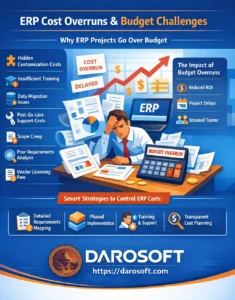
Increased implementation and support costs
Burnout among internal teams
Decline in data accuracy and reporting reliability
Low user adoption
Reduced ROI on ERP investment
In extreme cases, organisations are forced to pause, restart, or abandon ERP projects altogether.
How to Create Realistic ERP Timelines
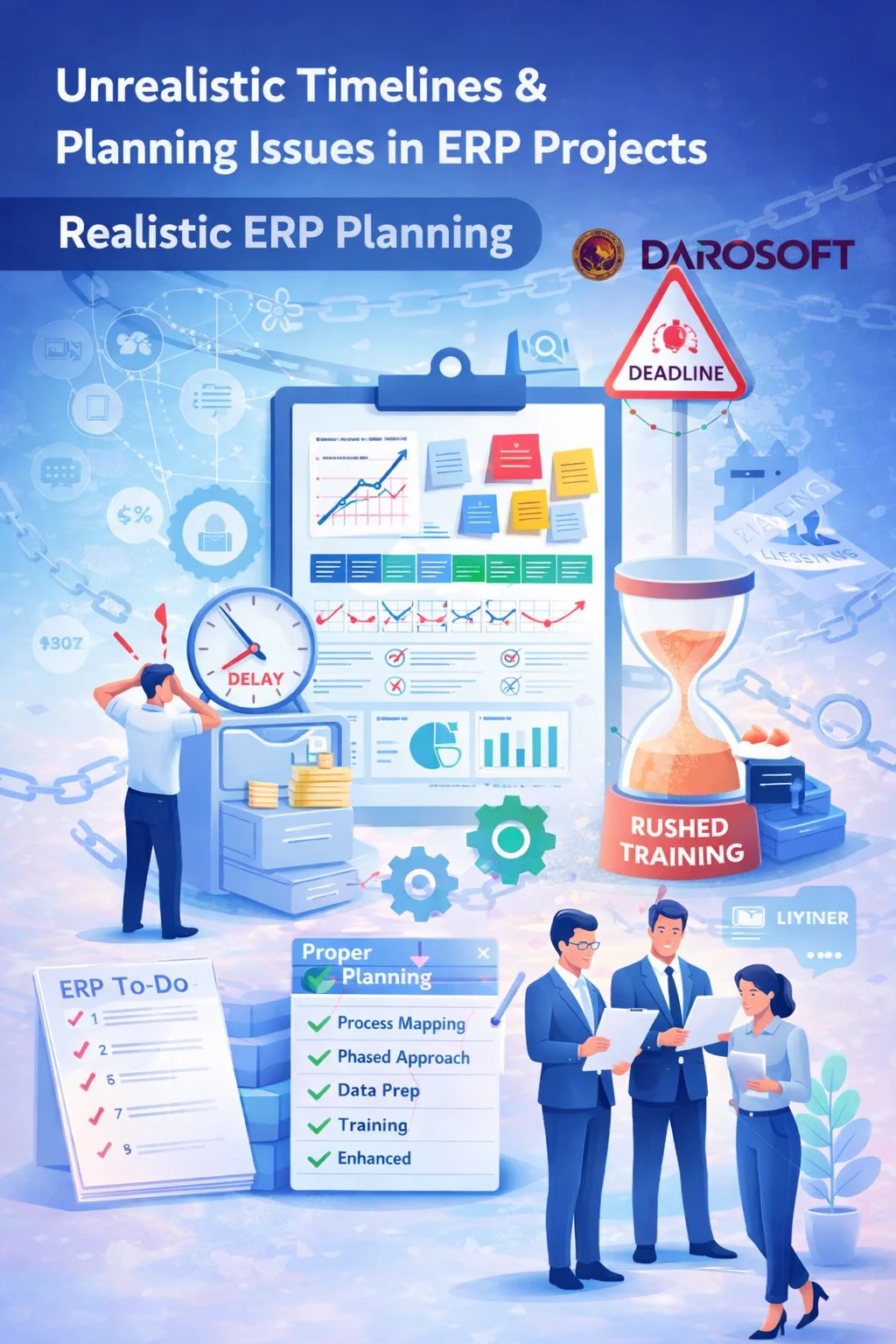
1. Start with Detailed Process Mapping
Document current workflows and pain points across all departments before finalizing timelines.
2. Use a Phased Implementation Approach
Instead of launching everything at once:
Start with core modules (finance, inventory)
Roll out advanced features later
Allow time for stabilization between phases
3. Allocate Time for Data Preparation
Clean, validate, and standardize data before migration begins.
4. Plan Training as a Core Project Phase
Training and user enablement should run parallel to implementation—not after it.
5. Build in Buffer Time
Unexpected issues are inevitable. A realistic plan includes contingency time for:
Rework
User feedback
Performance tuning
6. Align Stakeholders Early
Ensure leadership, department heads, and implementation partners agree on scope, priorities, and success metrics from day one.
Realistic Timelines Lead to Sustainable ERP Success
A slower, well-planned ERP implementation almost always delivers better outcomes than a rushed deployment. Realistic timelines:
Reduce risk
Improve adoption
Control costs
Deliver measurable business value
ERP success is not about how fast you go live. It’s about how well the system supports your business long-term.
How Darosoft Approaches ERP Planning
At Darosoft, ERP projects are built around:
Realistic timelines based on business complexity
Phase-based implementation models
Strong requirement discovery
Built-in training and change management
Predictable delivery without last-minute surprises
The result: smoother roll-outs, confident users, and ERP systems that actually work.