- Written by: Hummaid Naseer
- August 23, 2025
- Categories: Services & Products
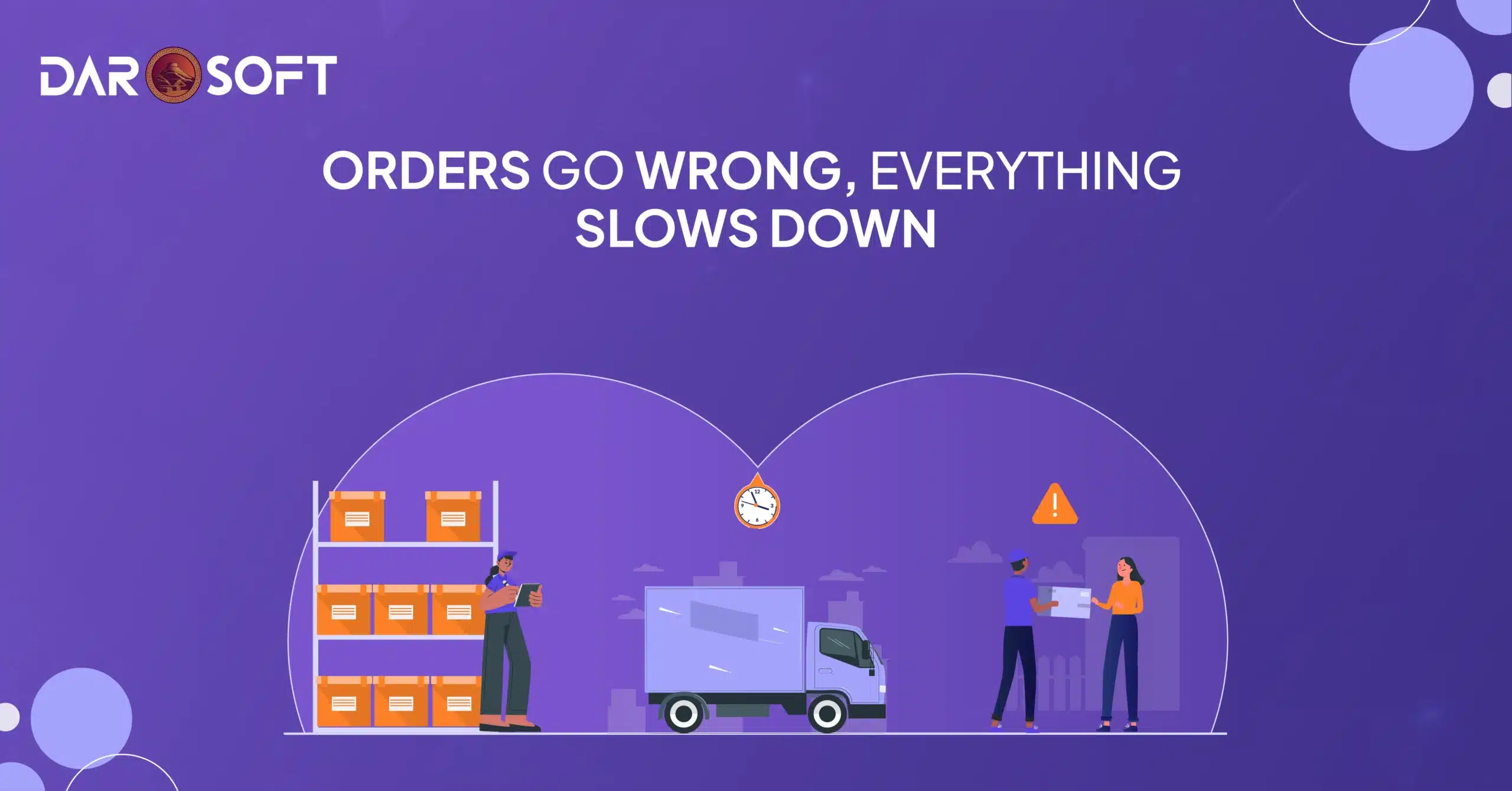
Customers expect their orders to arrive on time, in perfect condition, with exactly what they purchased. But when warehouse operations aren’t tightly coordinated, even a small slip can snowball into a big problem.
One mislabeled box can result in the wrong item being shipped. A delay in picking causes a missed delivery window. An inventory miscount results in overselling, and suddenly, customer service is flooded with complaints, your team is scrambling to fix errors, and your brand reputation takes a hit.
The truth is, order mistakes don’t start at checkout. They start in the warehouse. And if your backend processes aren’t built for multichannel complexity, those mistakes will only multiply.
The True Cost Isn’t Just Financial
When orders go wrong, the damage isn’t limited to refunds and lost revenue. The real cost runs deeper, affecting your team, your customer relationships, and your brand’s long-term health.
It Wastes Time You Can’t Get Back
Incorrect orders create a domino effect of follow-up work:
Customer service has to field complaints and process refunds
Warehouse staff must locate, repack, and reship items
Managers lose hours troubleshooting and damage-controlling
Instead of focusing on growth, your team is stuck cleaning up avoidable messes.
It Kills Morale on the Warehouse Floor
Repetitive mistakes and rushed corrections lead to stress, blame, and burnout.
Pickers get frustrated by unclear instructions
The Packers feel pressured to move faster while accuracy slips
Teams lose confidence in the systems they rely on
Over time, this undermines culture and increases staff turnover a cost that’s hard to measure but deeply felt.
It Erodes Customer Trust
Customers today don’t just expect fast delivery: they expect flawless delivery. One wrong item or a late package can break their confidence:
Bad reviews spread quickly
Repeat customers disappear
Your brand’s reputation takes a hit across every channel
And once trust is lost, even a perfect next order might not win them back.
Manual Processes = Maximum Errors
Paper Slips Get Lost or Misread
Printed pick lists can be misplaced, damaged, or marked incorrectly. A single smudge or note in the wrong column can send the wrong product out the door or worse, delay the entire order.
Phone Calls = Miscommunication
Relying on verbal instructions between customer service, sales, and warehouse staff often leads to confusion. Details get missed, messages aren’t documented, and critical updates fall through the cracks.
Spreadsheets Don’t Scale
Spreadsheets require constant manual updates and are prone to version conflicts. They offer no real-time visibility, can’t integrate with sales channels, and quickly become a web of disconnected data.
The Real Impact
These manual habits don’t just create isolated errors; they:
Slow down fulfillment speed
Increase returns and reshipments
Causes tension between departments
Drive up labor costs and burnout
Frustrate customers who expected better
In short, they cripple your ability to grow.
The Smarter Way: Automation and Sync
Replacing manual workflows with a platform like Logisticify allows you to:
Automate pick lists and packing slips
Trigger updates across all channels instantly
Track order status and stock levels in real time
Eliminate duplicate data entry and human error
When your systems work together, your team can focus on fulfillment, not fixing mistakes.
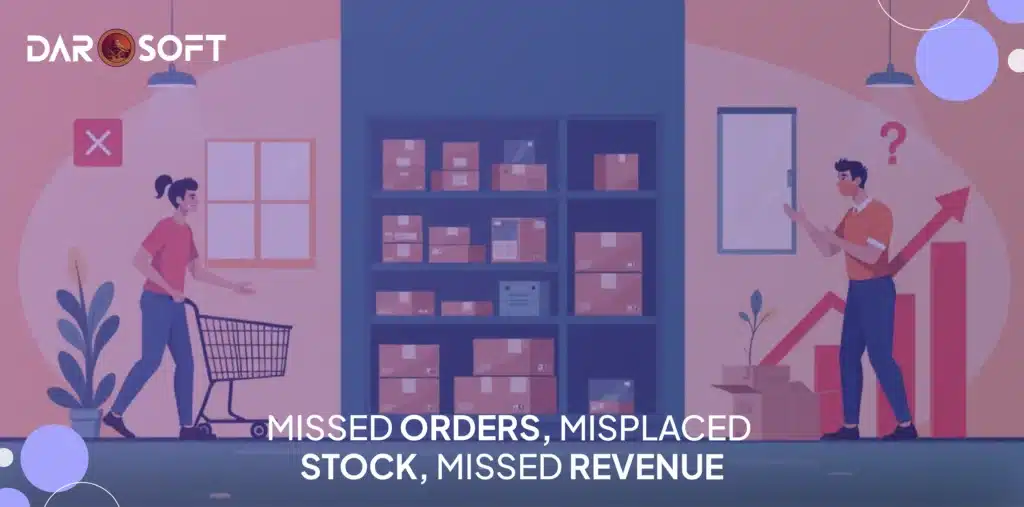
Missed Orders, Misplaced Stock, Missed Revenue
Missed Orders
Whether it’s a forgotten picklist, a delayed notification, or a dropped order from a sales channel, every missed order equals:
A disappointed customer
A potential negative review
A competitor’s gain
In fast-moving marketplaces like Amazon or Shopify, that’s a dangerous pattern.
Misplaced Stock
If your team can’t locate items quickly, or inventory isn’t properly updated after returns or transfers, you’re dealing with:
Wasted time hunting for stock
Unnecessary reorders
Deadstock collecting dust
Without real-time visibility, your warehouse turns into a guessing game.
Missed Revenue
Every mistake ripples outward. Canceled orders, returned shipments, customer service calls, and labor to fix issues all add up to serious margin erosion.
And let’s not forget the hidden cost: lost customer trust, which can quietly drag your lifetime value (LTV) into the red.
The Fix? Prevent the Problems Before They Start
Tools like Logisticify give you the visibility, automation, and real-time syncing needed to stay ahead:
Orders never slip through the cracks
Inventory is always accurate
Stock is tracked across every channel and warehouse
Hidden Cost #1: Customer Churn
Many businesses focus on the immediate financial cost of a fulfillment error, like a refund or reshipment. But the real damage happens silently, after the customer walks away and never comes back.
In the age of next-day delivery and hyper-personalized experiences, one bad order experience can be all it takes to lose a customer for good.
What Causes Churn?
Late deliveries that miss expectations
Incorrect items that break trust
Stockouts that lead to canceled orders
Inconsistent communication that leaves customers guessing
These missteps signal to customers that your operation isn’t reliable, and they won’t give you a second chance when competitors are just a click away.
The Long-Term Impact
Churn doesn’t just hurt today’s revenue. It slashes your Customer Lifetime Value (CLV) and tanks the ROI on your marketing spend. You paid to acquire that customer, but you didn’t get the return.
Worse, unhappy customers don’t stay quiet:
Bad reviews on public platforms
Negative word-of-mouth
Reduced trust in your entire brand ecosystem
Hidden Cost #2: Team Burnout
While most eyes are on sales numbers and customer reviews, the real strain of poor fulfillment processes hits your team first. Behind every late order, mispick, or customer complaint is a warehouse worker trying to keep up with broken systems and unrealistic expectations.
What Burnout Looks Like on the Floor
Rushed picking and packing to meet unrealistic deadlines
Confusion from unclear or constantly changing orders
Manual rework due to system errors or stock discrepancies
Frustration over being blamed for issues outside their control
This daily grind chips away at morale, increases mistakes, and drives turnover, adding the cost of hiring and training new team members into the mix.
The Hidden Costs
Burnout isn’t just a people problem. It hits your bottom line hard:
Lower accuracy → more returns and reships
Reduced productivity → slower fulfillment
Higher turnover → recruitment and onboarding expenses
Loss of operational knowledge → steeper learning curves
And worst of all? A disengaged team is less invested in doing great work, which customers notice.
Hidden Cost #3: Poor Inventory Visibility
Inventory is the backbone of fulfillment, but when visibility breaks down, everything else follows. If your system shows one number, your shelves show another, and your team is stuck guessing, you’re not just risking errors; you’re bleeding efficiency, revenue, and trust.
Inaccurate inventory data isn’t just inconvenient. It’s expensive.
The Day-to-Day Impact
Pickers waste time hunting for stock that isn’t there
Orders go unfulfilled because items were oversold
Stockouts hit your top-selling SKUs without warning
Manual corrections take hours and often introduce new errors
When your systems don’t reflect real-time reality, fulfillment becomes a constant firefight.
The Cost of Not Knowing
Poor visibility leads to:
Over-ordering, tying up cash in slow-moving items
Under-ordering, leading to lost sales during high demand
Inefficient warehouse workflows drive up labor costs
Unreliable reporting makes demand forecasting a shot in the dark
And with every mispick or delay, customer confidence erodes.
What Logisticify Does for You
Real-Time Inventory Sync
No more overselling or underselling. Logisticify updates inventory levels instantly across all platforms so what you see is what’s truly available.
Smarter Order Management
Automatically route orders to the right warehouse or fulfillment center. No more manual sorting, delayed printing, or messy spreadsheets.
End-to-End Automation
From picking to packing to shipping, Logisticify eliminates repetitive tasks and reduces human error, giving your team the breathing room to focus on accuracy and speed.
Centralized Dashboard
Gain full visibility across all your operations with one simple interface. Track orders, monitor stock, and make data-driven decisions without digging through different systems.
Why It Matters
When everything works together, fulfillment becomes frictionless. That means:
Fewer errors
Happier customers
Lower operational costs
Higher team productivity
And the freedom to scale without fear
Conclusion
Multichannel selling isn’t a future trend; it’s your current reality. And while it opens the door to new customers, it also exposes every weakness in your fulfillment process. Manual workarounds, siloed systems, and guesswork don’t scale.
If your backend can’t keep up, growth won’t feel like success. It’ll feel like survival.
The Solution? Build on a Solid Operational Core
With Logisticify, you replace chaos with coordination:
Real-time inventory sync across all channels
Streamlined order processing with fewer errors
Empowered teams and happy customers
A foundation ready for the next stage of growth