- Written by: Hummaid Naseer
- September 23, 2025
- Categories: Services & Products
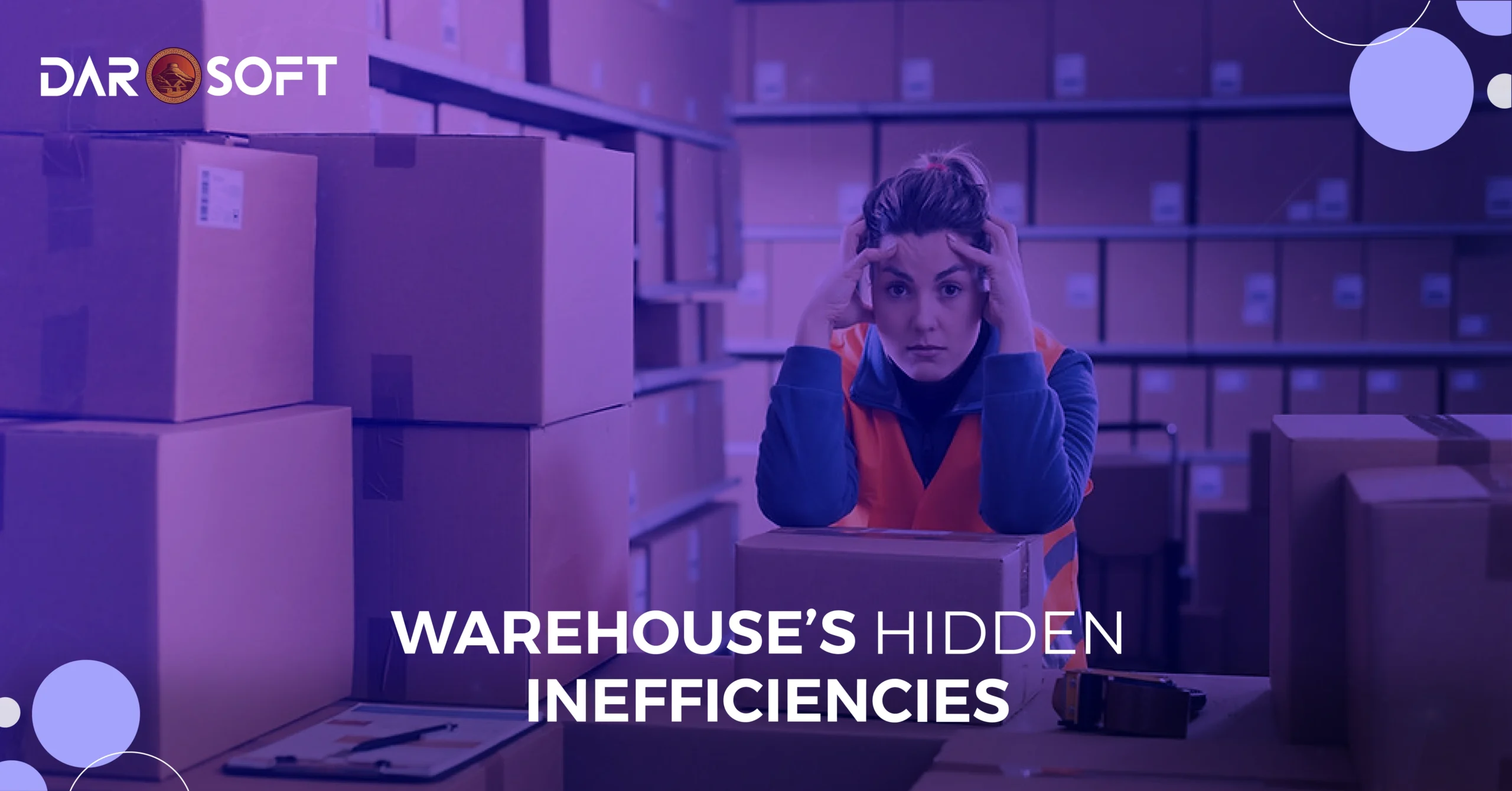
A warehouse may appear busy and productive on the surface, with workers moving quickly, shelves stocked, and orders shipping on time. But activity doesn’t always equal efficiency. Beneath the hustle, small delays, mis-picks, and wasted movements often go unnoticed, silently draining profitability.
This is where warehouse activity reports become invaluable. By tracking metrics like pick accuracy, order cycle times, labor productivity, and space utilization, these reports shine a light on inefficiencies that would otherwise stay hidden. Instead of guessing where the bottlenecks are, managers gain hard data that shows exactly what’s slowing them down, what’s costing extra, and where resources are being wasted.
Why Warehouse Inefficiencies Go Unnoticed
On the surface, a warehouse may seem to be running smoothly. Orders are being processed, shelves are stocked, and shipments are going out the door. But behind the scenes, small inefficiencies often creep in unnoticed. These “invisible leaks” don’t always stop operations, but over time they quietly erode profits, waste resources, and strain customer relationships.
Common Hidden Costs of Inefficiencies
Delays in Picking and Packing: A few extra minutes spent locating items might seem minor, but multiplied across hundreds of orders, it creates costly bottlenecks.
Frequent Errors: Mis-picks, mislabels, or wrong shipments increase return rates, double handling, and damage customer trust.
Wasted Labour: Without optimised workflows, employees spend more time walking, searching, or correcting mistakes instead of adding real value.
Excess Inventory Holding Costs: Overstocked items consume space, increase storage expenses, and tie up working capital, often without being noticed until space runs out.
Unbalanced Workloads: Poor task allocation can leave some teams overworked while others are underutilised, reducing overall efficiency.
Why They Often Go Undetected
Incremental Impact: Small mistakes don’t look urgent in isolation, so they’re easy to ignore until the costs add up.
Focus on Output, Not Process: Many businesses measure success by how many orders are shipped, not how efficiently those orders move through the system.
Lack of Visibility: Without detailed reporting or tracking systems, inefficiencies remain hidden under day-to-day operations.
Reactive Culture: Teams often fix problems as they arise rather than analysing root causes and preventing them.
Warehouse Activity Reports with Logisticify
From items picked and packed, to inventory movements, to order fulfillment times. The challenge is not the lack of data, but the lack of clarity. Raw numbers sitting in spreadsheets don’t tell you where inefficiencies are hiding or how to improve.
That’s where Logisticify comes in. Instead of overwhelming managers with fragmented information, Logisticify transforms raw warehouse activity data into clear, actionable reports.
What Makes Logisticify Different?
Real-Time Visibility – Monitor order cycle times, picking accuracy, and inventory movements as they happen, so issues can be addressed before they snowball.
Actionable Insights – Reports don’t just show numbers; they highlight trends, bottlenecks, and areas where productivity can be improved.
Efficiency Tracking – From labour performance to space utilisation, Logisticify reveals exactly where resources are underused or overstretched.
Seamless Integration – Data across multiple sales channels and systems is unified, giving you a single source of truth for decision-making.
Profit-Driven Reporting – Beyond operations, Logisticify links warehouse activity to cost and revenue impact, showing how efficiency improvements drive growth.
Pinpointing Bottlenecks in Order Packaging
Order picking is one of the most labour-intensive and costly activities in any warehouse. Even small inefficiencies in this stage can ripple across the entire fulfillment process, leading to delays, errors, and frustrated customers. That’s why tracking order picking performance is essential for operational excellence.
With Logisticify, businesses can go beyond surface-level tracking and dive deep into how picking actually happens on the floor.
What Order Picking Reports Reveal
Picker Speed – Measure how quickly items are located and retrieved, identifying employees or zones where productivity lags.
Error Rates – Track mis-picks and incorrect quantities, which often result in costly returns and re-shipments.
High-Traffic Zones – Analyse heatmaps of warehouse activity to spot congested areas that slow down operations.
Travel Time – Break down how much time is spent walking versus actually picking, highlighting opportunities for smarter layout design.
How Logisticify Helps
Real-Time Data – Managers can see picking performance as it happens, instead of waiting for problems to show up in customer complaints.
Bottleneck Detection – Automated reports flag recurring slowdowns, so workflow adjustments can be made proactively.
Productivity Benchmarks – Compare picker performance over time to set fair KPIs and motivate continuous improvement.
Smart Layout Optimisation – Insights from activity heatmaps help redesign storage layouts, reducing travel time and congestion.
Tracking Supplier and Dockside Delays
The receiving stage sets the tone for the rest of the warehouse operations. If inbound shipments are late, incomplete, or mismanaged at the dock, every downstream process from putaway to picking to fulfillment suffers. Yet many warehouses overlook this critical point, allowing supplier delays and dockside bottlenecks to quietly drain efficiency.
With Logisticify, receiving doesn’t have to be a black box. The platform gives managers real-time visibility into inbound shipments and supplier performance, turning guesswork into actionable insights.
What Receiving Reports Reveal
Supplier Lead Times – Track how long suppliers take to deliver orders compared to agreed timelines.
Dockside Delays – Monitor how long shipments wait to be unloaded, identifying congestion or staffing gaps.
Accuracy of Deliveries – Flag discrepancies between purchase orders and received items.
Inbound Scheduling – Highlight peak times when multiple deliveries create bottlenecks.
How Logisticify Helps
Real-Time Alerts – Get notified when inbound shipments are delayed, incomplete, or inaccurate.
Supplier Scorecards – Evaluate suppliers on reliability, timeliness, and order accuracy to inform future purchasing decisions.
Dock Efficiency Tracking – Identify patterns in unloading delays and optimise staffing or scheduling.
Integrated Data – Syncs receiving performance with inventory levels, so replenishment planning stays accurate.
The Business Impact
By leveraging Logisticify’s receiving reports, warehouses can hold suppliers accountable, reduce dock congestion, and ensure stock enters the system on time and accurately. The result is smoother operations, fewer fulfillment delays, and a stronger supply chain overall.

Finding Storage and Handling Inefficiencies
Every time a product moves inside the warehouse, whether it’s being put away, relocated, or picked, it consumes time, labour, and resources. While movement is inevitable, unnecessary handling and poor storage design can add hidden costs that drag down overall efficiency. Over time, these inefficiencies not only slow fulfillment but also increase labour expenses and wear on equipment.
With Logisticify’s inventory movement reports, managers gain a clear view of how products travel through the warehouse and where bottlenecks form. Instead of relying on guesswork, data highlights exactly where space and labour are being wasted.
What Inventory Movement Reports Reveal
High-Movement Items – Identify products that move frequently and ensure they’re stored in easily accessible locations.
Excessive Re-locations – Spot items being handled or shifted more than necessary, often due to poor layout or demand misforecasting.
Travel Time Analysis – Break down how much distance workers cover during handling, exposing opportunities to reduce walking.
Storage Utilisation – Track which zones are overburdened versus underused, balancing workloads across the facility.
How Logisticify Helps
Smart Storage Optimisation – Data-driven insights guide product placement so fast-moving items are near picking zones, minimising travel.
Heatmap Analysis – Visualise traffic patterns to identify congestion points and redesign pathways.
Automated Movement Tracking – Real-time monitoring ensures managers can spot inefficiencies as they happen, not after the fact.
Reduced Handling Costs – By eliminating unnecessary movements, Logisticify helps cut labour hours and extend equipment life.
Measuring Workforce Efficiency
Labour is often the single largest cost in warehouse operations and one of the hardest to manage effectively. Without visibility into how time and effort are spent across shifts and tasks, inefficiencies can creep in unnoticed, leading to higher labour costs, uneven workloads, and missed performance targets.
Logisticify’s labour productivity reports give managers the tools to measure workforce efficiency with precision. By combining shift data, task tracking, and output metrics, the platform helps warehouses understand how well their teams are performing and where improvements can be made.
What Labour Productivity Reports Reveal
Shift Performance – Compare productivity across different shifts and teams to identify patterns and imbalances.
Task-Level Efficiency – Break down performance by activity (picking, packing, putaway, etc.) to see where time is lost.
Workload Distribution – Highlight whether some workers or teams are overloaded while others remain underutilised.
Output per Labour Hour – Measure how much value each labour hour delivers, providing a clear benchmark for efficiency.
How Logisticify Helps
Real-Time Workforce Insights – Monitor labour performance live, allowing managers to react quickly to bottlenecks or delays.
Balanced Workload Allocation – Use data to assign tasks fairly and prevent burnout or idle time.
KPI Tracking & Benchmarking – Compare current productivity to historical performance and industry standards.
Data-Driven Staffing Decisions – Adjust hiring, scheduling, or overtime policies based on actual workload patterns.
Exposing Inventory Accuracy Issues
Accurate inventory data is the backbone of smooth warehouse operations. Yet many warehouses struggle with mismatches between system records and actual stock levels, leading to misplaced items, stockouts, overstocks, and even shrinkage. Traditional full physical counts are time-consuming, costly, and disruptive, but without them, errors often go undetected.
This is where Logisticify’s cycle count reports bring a smarter solution. By breaking inventory checks into smaller, continuous audits, Logisticify ensures accuracy without halting operations, while delivering clear insights into where discrepancies occur.
What Cycle Count Reports Reveal
Inventory Accuracy Rates – Compare recorded stock levels with actual on-hand quantities.
Frequent Discrepancies – Identify which products or zones consistently show mismatches.
Shrinkage Patterns – Spot trends that may indicate theft, damage, or misplacement.
Process Weaknesses – Highlight where errors originate (receiving, picking, returns, etc.).
How Logisticify Helps
Automated Scheduling – Plan cycle counts based on product value, demand frequency, or risk category.
Real-Time Adjustments – Instantly update records when variances are found, keeping data accurate at all times.
Exception Reporting – Focus attention on high-risk SKUs or problem areas instead of wasting effort on low-risk items.
Shrinkage Control – Provide transparency into losses and help implement corrective actions.
Reducing Idle Assets and Downtime
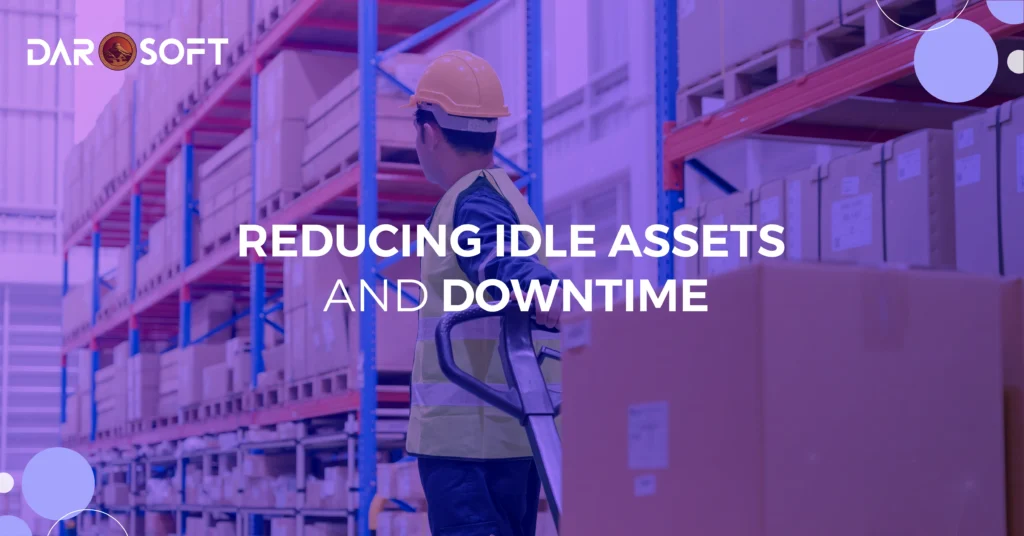
Warehouses often invest heavily in forklifts, pallet jacks, scanners, and automation tools to streamline operations. But without proper visibility, these assets can end up sitting idle, overused, or under-maintained. Idle equipment means wasted capital, while overworked tools lead to breakdowns, delays, and unexpected repair costs.
Logisticify’s equipment utilisation reports ensure every asset is tracked, optimised, and used to its full potential. By monitoring usage patterns and downtime, managers can make smarter decisions about maintenance, scheduling, and future investments.
What Equipment Utilisation Reports Reveal
Usage Frequency – Track how often equipment is used and for which tasks.
Idle Time – Identify assets that sit unused and may be underutilised.
Overuse Risks – Spot equipment at risk of wear and breakdown from excessive usage.
Downtime Trends – Monitor breakdowns, repairs, and their impact on productivity.
How Logisticify Helps
Real-Time Tracking – Monitor forklifts, scanners, and automation tools as they’re deployed.
Maintenance Alerts – Schedule proactive maintenance based on usage, not guesswork.
Right-Sizing Equipment Fleets – Use utilisation data to decide whether to downsize, expand, or reallocate assets.
Downtime Reduction – Spot recurring equipment issues before they snowball into costly delays.
Linking Efficiency to Risk Reduction
In a fast-moving warehouse, efficiency and safety go hand in hand. Poorly designed workflows, overworked staff, or malfunctioning equipment don’t just hurt productivity; they increase the risk of accidents, injuries, and costly compliance issues. Yet many warehouses treat safety and efficiency as separate priorities, missing the crucial link between them.
Linking Efficiency to Risk Reduction
In a fast-moving warehouse, efficiency and safety go hand in hand. Poorly designed workflows, overworked staff, or malfunctioning equipment don’t just hurt productivity; they increase the risk of accidents, injuries, and costly compliance issues. Yet many warehouses treat safety and efficiency as separate priorities, missing the crucial link between them.
Logisticify’s safety & incident reports bridge this gap by connecting operational data with risk management. By tracking near-misses, reported incidents, and unsafe trends alongside performance metrics, managers gain a clearer view of how efficiency impacts workplace safety.
What Safety & Incident Reports Reveal
Accident & Near-Miss Trends – Pinpoint recurring issues that could escalate if ignored.
High-Risk Zones – Identify warehouse areas (loading docks, high-traffic aisles, etc.) with elevated safety incidents.
Task-Linked Risks – Highlight which processes (picking, lifting, equipment handling) are most prone to errors or injuries.
Compliance Gaps – Spots where safety protocols aren’t being followed consistently.
How Logisticify Helps
Integrated Safety & Operations Data – See how workload spikes, delays, or poor layouts correlate with higher risk.
Real-Time Alerts – Notify managers instantly when incidents are logged to take quick corrective action.
Preventive Insights – Use trend analysis to address risks before they cause serious harm.
Safety KPI Tracking – Monitor compliance, incident frequency, and resolution times to build accountability.
Streamlining Warehouse Performance with Logisticify
Data alone doesn’t solve problems; action does. Many warehouses generate endless spreadsheets and KPIs, but without a system to turn insights into improvements, inefficiencies persist. That’s where Logisticify stands apart.
By consolidating warehouse activity reports from order picking and receiving to labor, safety, and equipment utilisation, Logisticify delivers a complete picture of operations. But more importantly, it provides the tools to act on that data in real time.
How Logisticify Turns Reports into Action
Automated Workflows – Trigger corrective actions instantly when delays, errors, or risks are detected.
Data-Driven Decisions – Replace guesswork with clear performance trends and predictive analytics.
Continuous Improvement – Track progress over time, ensuring every adjustment leads to measurable gains.
ROI You Can See – Reduce stockouts, cut idle time, improve safety, and boost throughput, all visible in reports tied to business outcomes.
The Business Advantage
With Logisticify, reports aren’t just dashboards; they’re drivers of efficiency, cost savings, and sustainable growth. By linking insights to action, warehouses move beyond reacting to problems and into a cycle of continuous improvement that fuels long-term ROI.
Conclusion
Hidden inefficiencies, safety risks, and missed opportunities eat into margins and slow growth. The key isn’t just collecting data, it’s using it to guide better decisions, streamline workflows, and create measurable impact.
With Logisticify, every report becomes more than numbers on a screen. From order picking to equipment utilisation and safety, the platform transforms raw activity data into clear, actionable insights. The result? Warehouses that are safer, faster, leaner, and better prepared for tomorrow’s challenges.
When insights drive action, efficiency stops being a goal; it becomes the standard.