- Written by: Hummaid Naseer
- August 26, 2025
- Categories: Services & Products
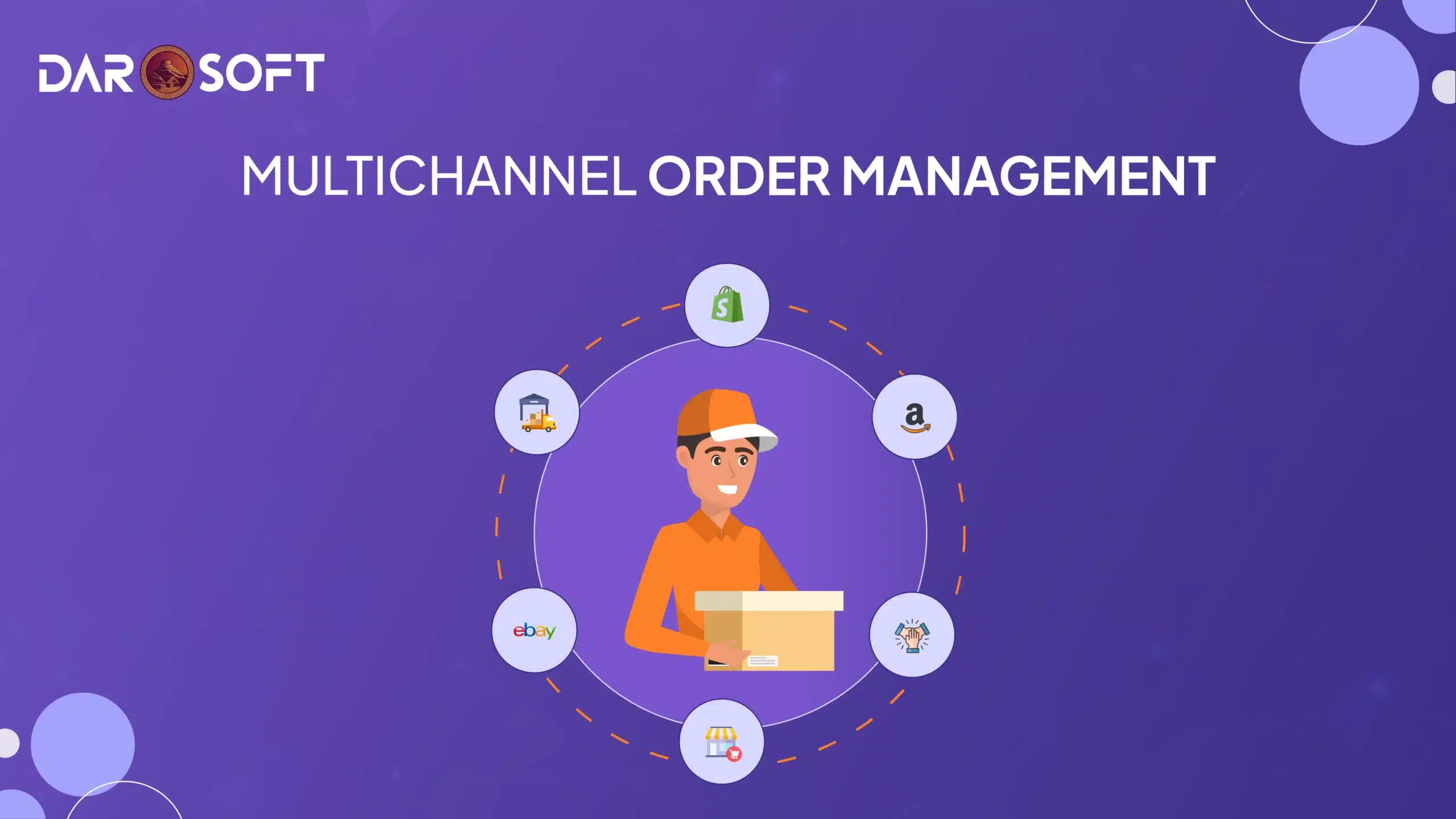
Selling across multiple platforms, such as Shopify, Amazon, retail, and wholesale, is great for driving growth. But as your business expands, so does the complexity. Orders come from everywhere, inventory moves fast, and keeping it all in sync becomes a daily struggle.
If you’re constantly juggling spreadsheets, fixing fulfillment errors, or calming frustrated customers, it’s a clear signal: your current system isn’t keeping up. That’s where centralized order management comes in.
In this post, we’ll walk through five telltale signs that it’s time to upgrade, and how a unified system can streamline operations, boost accuracy, and help your team scale without the chaos.
You’re Drowning in Spreadsheets and Manual Updates
At first, spreadsheets may seem like a flexible, cost-effective way to track orders, inventory, and customer details. But as soon as you’re managing multiple sales channels, Shopify, Amazon, eBay, wholesale, and maybe even in-person POS. Those sheets quickly spiral out of control.
You’ve got tabs for products, tabs for orders, tabs for customers, and tabs to track what the other tabs are doing. And every update, inventory count, order status, and SKU mapping requires manual work. It’s tedious, time-consuming, and incredibly error-prone.
The real danger?
Inventory mismatches: You think you have 10 units in stock… until someone places an order you can’t fulfill.
Delayed fulfillment: You’re stuck tracking down which orders came from which channel and whether they’ve shipped.
Lack of visibility: Your team is always reacting instead of planning, because there’s no single source of truth.
When your operations rely on a patchwork of spreadsheets, you’re not just slowing down; you’re risking your customer experience and your reputation.
What a centralized system offers
A smart multichannel order management platform automatically pulls in order data, syncs inventory across all channels, and keeps everything updated in real time. No more flipping between browser tabs or emailing CSV files back and forth. It’s automation, clarity, and control all in one place.
If your spreadsheet has more rows than your product catalog, you’re beyond the DIY stage. A centralized system isn’t just helpful, it’s essential.
Orders from One Channel Delay Everything Else
When a big flash sale on one channel throws your entire fulfillment system into chaos, it’s a red flag. Maybe it’s a flood of Shopify orders that leaves your Amazon customers waiting. Or your wholesale team takes priority, and online orders get pushed to the bottom of the pile.
This kind of disruption usually happens when your systems are siloed or loosely stitched together. Without a unified view, your warehouse team ends up prioritizing based on what’s visible or loudest rather than what’s smartest.
Common symptoms
Orders aren’t processed in the right order of urgency or SLA
Your team manually juggles orders between channels
Delays in one storefront create a ripple effect across others
You can’t allocate inventory efficiently across platforms
Why it matters
A customer doesn’t care which channel they ordered from; they just want their item delivered on time. But if your backend isn’t optimized for multichannel flow, some customers will inevitably get stuck waiting.
What a centralized system does differently
A proper multichannel order management system normalizes all incoming orders into a single queue, applies priority rules (like shipping deadlines or customer type), and keeps fulfillment running smoothly no matter where the sale originated. It helps allocate inventory intelligently, ensures fair and efficient order routing, and eliminates platform favoritism.
You Can’t Track Inventory in Real Time
If you’re constantly second-guessing how much stock you really have or worse, finding out too late that you’ve oversold it’s a sign your inventory system is stuck in the past. Without real-time visibility, you’re flying blind.
The warning signs:
You’re frequently “out of stock” on one channel but fully stocked on another
Staff are manually checking shelves or calling around to confirm quantities
Customers place orders you can’t fulfill, leading to refunds or backorders
You find discrepancies between what’s in your system and what’s on the shelves
Why it happens
Most inventory headaches stem from disconnected systems. If Shopify, Amazon, your POS, and your warehouse aren’t constantly talking to each other, it’s impossible to get an accurate picture. Changes made in one place don’t reflect in the others until someone manually updates them, if at all.
What a centralised system solves
A centralised multichannel order management system integrates all your sales channels and syncs your inventory in real time. When a product is sold, returned, or restocked, the change is instantly reflected everywhere. This means fewer errors, less overpromising, and better customer trust.
The impact
Avoid overselling and backorders
Streamline reordering and stock planning
Give customer service and fulfillment teams the confidence to act fast
Improve customer experience with accurate availability across all platforms
Channel Growth Feels Like a Burden, Not an Opportunity
Adding a new sales channel like Amazon, Walmart Marketplace, or a brick-and-mortar POS should be exciting. It means more customers, more revenue, and greater brand exposure. But if every new storefront feels like adding another fire to put out, something’s wrong.
The warning signs
Launching a new channel takes weeks of messy integration
Inventory has to be manually split or tracked separately
Orders come in, but fulfillment lags or breaks altogether
You find yourself hesitating to expand because the backend can’t keep up
Why it happens
Without a centralized system, every new sales channel requires its own setup, rules, and manual workflows. This leads to duplicated work, siloed data, and a tangled web of tools that don’t talk to each other. What should be an opportunity turns into an operational nightmare.
What a centralised system solves
With a multichannel order management platform, adding a new channel is as simple as plugging it in. Inventory syncs automatically. Orders route through the same logic. Reports roll up into one dashboard. Suddenly, growth doesn’t require chaos; it scales with you.
The impact
Expand into new markets with confidence
Eliminate duplicate processes and reduce setup time
Maintain a single source of truth across all channels
Keep your team focused on sales and service, not damage control
Customer Complaints Are Increasing
Are you seeing a spike in negative reviews, refund requests, or support tickets? Whether it’s shipping delays, incorrect items, or “out of stock” surprises after checkout, these aren’t just customer service issues. They’re symptoms of a backend that’s out of sync.
What’s really happening
When orders, inventory, and fulfillment are managed across disconnected systems (or worse, spreadsheets), mistakes multiply fast. One missed stock update can lead to overselling. A misrouted order can delay delivery. And without real-time visibility, customer inquiries are met with “we’ll get back to you” instead of immediate answers.
The hidden cost
Damaged customer trust
Poor brand reputation
Increased workload for support teams
Lost future sales from churned customers
How a centralised system helps
With unified order and inventory management, your entire fulfillment workflow becomes smarter and faster:
Stock levels update automatically across all sales channels
Orders are routed to the right warehouse or fulfillment partner
Customer support has instant access to order statuses and stock data
What it means for your brand
When your systems talk to each other, your team can focus on delighting customers, not fixing mistakes. That leads to:
Faster shipping and fewer errors
Happier, more loyal customers
Positive reviews that drive organic growth
The Solution: One System, All Channels, Logisticify
Tired of jumping between platforms and cleaning up order errors? With Logisticify, you can manage every order, from every channel, in one powerful dashboard.
Real-Time Inventory Sync
No more overselling or stockouts. Logisticify keeps your inventory up to date across all your storefronts, automatically.
Smarter Order Routing
Send orders to the right warehouse or fulfillment partner instantly, based on location, stock levels, or shipping rules.
Built for Scale
Whether you’re adding a new sales channel, product line, or warehouse, Logisticify grows with you without adding complexity.
One platform. Total control.
Logisticify simplifies multichannel selling so you can stop reacting and start scaling.