- Written by: Hummaid Naseer
- August 4, 2025
- Categories: Services & Products
Without the right context, interpretation, and integration into everyday workflows, data becomes noise. Teams waste hours poring over spreadsheets that don’t translate into action. Leaders make reactive choices based on outdated reports. And opportunities slip by, not because the data wasn’t there, but because no one knew what to do with it.
Being data-rich but insight-poor is a common trap. The real competitive edge comes from transforming raw data into clear, actionable intelligence that empowers fast, confident, and aligned decision-making across your organisation.
Data Exists, But Insight Is Missing
The problem isn’t a lack of data; it’s a lack of clarity. Most businesses generate mountains of information but struggle to turn it into meaningful, actionable insight. Here’s why:
Basic or Outdated Reporting Tools
Too many businesses still rely on static spreadsheets, legacy software, or clunky reporting tools that merely summarise past performance. These tools often:
Provide lagging indicators rather than predictive trends.
Offer little to no customisation based on business goals.
Require manual updates, leading to version control issues and stale insights.
Deliver overwhelming rows of numbers, with no visual narrative or prioritisation.
Instead of enabling smarter decisions, these tools slow down the decision-making process and increase the risk of misinterpretation.
Lack of Real-Time Dashboards
In fast-moving industries, yesterday’s data is already outdated. Without live dashboards, decision-makers are flying blind when it matters most. Key issues include:
No instant visibility into stock-outs, demand surges, or fulfillment delays.
Inability to respond proactively to market changes or customer behaviour.
Teams waste hours chasing down updates from different departments.
This latency creates bottlenecks across sales, procurement, and operations, ultimately costing money and trust.
Data Silos Across Systems
Data fragmentation is one of the most dangerous blind spots in modern business. When sales, inventory, finance, customer service, and marketing tools don’t talk to each other:
Insights are incomplete, inconsistent, or contradictory.
Teams operate with different versions of the truth.
Strategic decisions are made without seeing the full picture.
For example, your sales team might push a product that’s out of stock, or finance might set budgets based on outdated demand assumptions. These disconnects erode efficiency, trust, and collaboration.
What You Can’t See Will Hurt You
What’s invisible can be the most expensive. A lack of transparency in your stock levels, supplier performance, or product movement doesn’t just cause inconvenience it leads to real, measurable losses. Here’s how:
Inability to Track Fast-Moving or Dead Stock
Without real-time insights, it’s nearly impossible to identify which products are flying off the shelves and which are gathering dust. You risk:
Running out of bestsellers, missing out on high-margin sales, and disappointing loyal customers.
Letting dead stock accumulate, tying up shelf space and capital in items that should be marked down or removed.
Making uninformed reorder decisions leads to further imbalance.
This blind spot reduces inventory turnover and inflates carrying costs.
Missed Opportunities for Inventory Turnover
When you can’t spot trends in product movement or seasonality, you fail to:
Launch timely promotions for slow-moving items.
Adjust reorder points dynamically based on real demand.
Maximise cash flow by turning over inventory efficiently.
High turnover isn’t just about sales, it’s about operational agility and financial health. Poor visibility makes agility impossible.
Poor Forecasting and Overstocking
Forecasting becomes guesswork when historical trends, market shifts, or current stock levels are hidden or outdated. The consequences:
Overstocking products that may become obsolete or expire.
Overstock is leading to markdowns, shrinking margins, and bloated warehouses.
Missed chances to pre-stock for upcoming high-demand seasons.
Accurate forecasting relies on clear, timely data. Without it, your supply chain becomes reactive, not proactive.
Lack of Supplier Performance Visibility
Suppliers can make or break your ability to meet customer demand. But without tracking supplier reliability, on-time delivery, lead times, and quality issues, you can’t:
Identify which vendors are slowing you down.
Negotiate better terms or plan for disruptions.
Shift to more dependable alternatives in time.
Supplier blind spots lead to stock-outs, order delays, and reputational risk, especially during peak seasons or market volatility.
Good Analytics = Better Inventory Control
Analytics Insight | What It Enables | Business Benefit |
Identify Top-Performing SKUs & Trends | Tracks high-demand and profitable products using sales velocity and seasonality | Focus on bestsellers, optimise marketing, increase ROI |
Optimise Reorder Points & Stock Levels | Sets dynamic reorder thresholds based on real-time demand and lead times | Avoids overstock/stock-outs, improves responsiveness |
Flag Dead Stock Early | Monitors SKU movement to highlight aging or obsolete inventory | Prevents tied-up capital, reduces storage costs, and enables liquidation |
Improve Purchase Planning & Cash Flow | Uses data to align purchasing with demand forecasts and supplier lead times | Smarter purchasing, reduced waste, better working capital management |
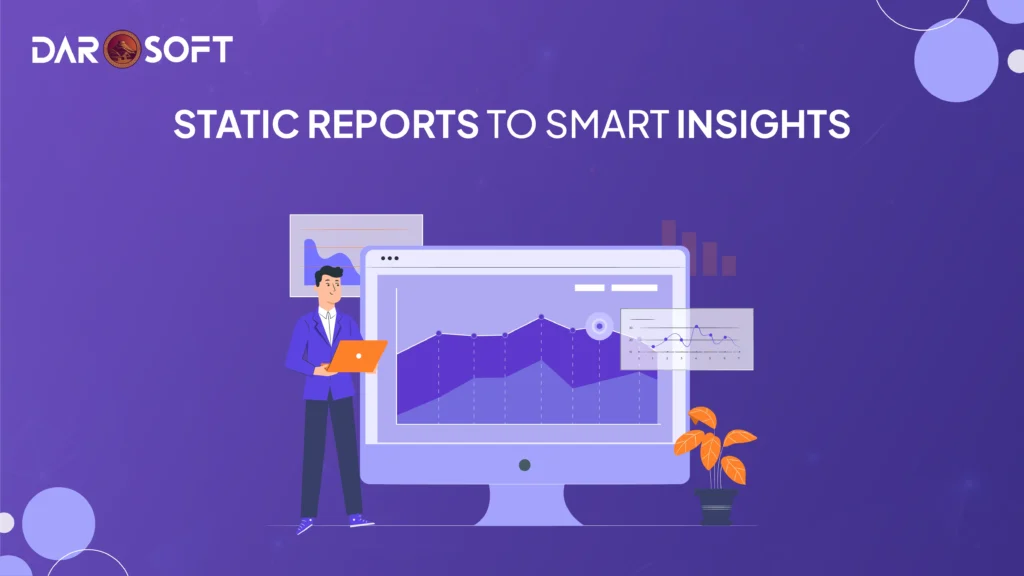
From Static Reports to Smart Insights
Use Interactive Dashboards & Visualisations
What It Means:
Static spreadsheets and printed reports are outdated. They give you a snapshot in time, but not the full picture. Interactive dashboards, powered by tools like Power BI, Tableau, or ERP systems (like NetSuite or Odoo), bring your inventory data to life.
What It Does:
Allow real-time monitoring of sales, stock levels, and fulfillment.
Enable users to drill down by product, region, warehouse, or date.
Provide graphical views like bar charts, heatmaps, or trend lines that reveal hidden patterns.
Let different teams filter data based on what matters to them (e.g., the sales team sees SKU velocity, the finance team sees cash value of inventory).
Strategic Benefit:
You don’t just see your data you interact with it. That makes decision-making faster, easier, and based on the most current information. Managers can catch trends early, and frontline staff can respond to changes confidently.
Set Up Automated Alerts and KPIs
What It Means:
Instead of constantly checking dashboards, you get notified when something goes wrong or right. Automated alerts and KPIs (Key Performance Indicators) give you real-time triggers so you don’t miss what matters.
What It Does:
Triggers low stock alerts, so you can reorder before stockouts occur.
Sends notifications when a product becomes dead stock or dips below sales expectations.
Alerts you if inventory costs or holding times exceed targets.
Tracks KPIs like inventory turnover, order fulfillment time, and stock accuracy automatically.
Strategic Benefit:
You move from a reactive model to a proactive one. Problems are spotted before they grow, and performance is continuously measured without manual effort. It keeps your team aligned with business goals and frees them from routine monitoring.
Integrate Analytics Across Sales, Inventory, and Finance
What It Means:
When departments use separate tools (e.g., Excel for inventory, POS for sales, QuickBooks for finance), insights get lost. Integrated analytics brings all your business-critical data into one centralised system.
What It Does:
Combines sales data with inventory movement to understand demand drivers.
Aligns financial reports with stock performance (e.g., stock value, cost of goods sold).
Enables forecasting models that account for marketing campaigns, seasonal trends, and supply chain delays.
Reduces manual data entry and errors by syncing systems through APIs or a unified ERP platform.
Strategic Benefit:
With everyone working from the same source of truth, you get consistent, accurate insights. This allows for better forecasting, smarter purchasing, clearer financial planning and ultimately, faster, data-backed decisions that drive growth.
Tools That Turn Data into Action
BI-Integrated ERP Platforms
What It Is:
Enterprise Resource Planning (ERP) systems like SAP Business One, Oracle NetSuite, Microsoft Dynamics 365, or Odoo now come with built-in Business Intelligence (BI) tools. These platforms unify inventory, sales, finance, and operations and layer analytics on top.
What It Does:
Consolidates data from every department (inventory, sales, purchasing, finance).
Provides real-time dashboards to monitor stock levels, reorder points, and supplier performance.
Enables automated forecasting, scenario modeling, and demand planning.
Offers drill-down capabilities to explore why a KPI is off-track (e.g., low turnover due to a slow-moving SKU).
Why It Matters:
You don’t need to export data and analyse it separately; insights are built in. This makes reporting seamless and puts real-time, accurate data in the hands of decision-makers across the business.
Inventory Intelligence Software
What It Is:
Standalone or add-on platforms focused entirely on smart inventory management. Examples include StockIQ, inFlow, Lokad, or Netstock.
What It Does:
Uses machine learning to predict demand based on historical data, seasonality, and promotions.
Analyses SKU performance to suggest optimal stock levels and reorder frequencies.
Identifies excess or dead stock early.
Offers what-if analysis for supply chain disruptions or supplier delays.
Why It Matters:
These tools go beyond tracking, they help optimise. They’re perfect if your existing systems don’t offer deep analytics, or you want to plug AI-driven intelligence into your current workflow.
Custom Reporting with Real-Time Feeds
What It Is:
Custom-built dashboards and reports using tools like Power BI, Tableau, Google Data Studio, or even Looker connected to your inventory and sales systems via APIs.
What It Does:
Pulls live data from inventory software, eCommerce platforms (like Shopify), POS systems, and spreadsheets.
Builds custom visualisations to match specific business needs (e.g., margin analysis by product, warehouse performance).
Automates KPI tracking and sends alerts when thresholds are crossed.
Helps managers create flexible reports for different teams and levels of the business.
Why It Matters:
Not every business fits neatly into out-of-the-box solutions. Custom reporting lets you build what you need, when you need it, with precision and real-time insights tailored to your unique operations.
Conclusion
Modern inventory analytics through BI dashboards, integrated platforms, and intelligent alerts gives you more than numbers. It reveals patterns, pinpoints issues before they escalate, and guides smarter decisions across sales, supply chain, and finance.
The goal isn’t more reports. It’s better to make decisions faster.
If you want to compete in a market where agility and accuracy win, it’s time to move from passive tracking to proactive improvement. Because in the world of inventory, visibility isn’t optional; it’s a competitive edge.